PROJECT
I initiated a partnership between Chai Point and Mission Chai - a tea retail chain, and a grassroots initiative serving tea to cancer patients in Bangalore - to design a system where customers can sponsor a cup of chai through their daily purchase. This model turns a routine habit into a small act of community care.
ROLES
Team Lead
Partnership Development
Market Research
Communication
Fundraising & Resource
Pilot Architect
TOOLS
Google Excel
Google Doc
Canva
Adobe Illustrator
Procreate
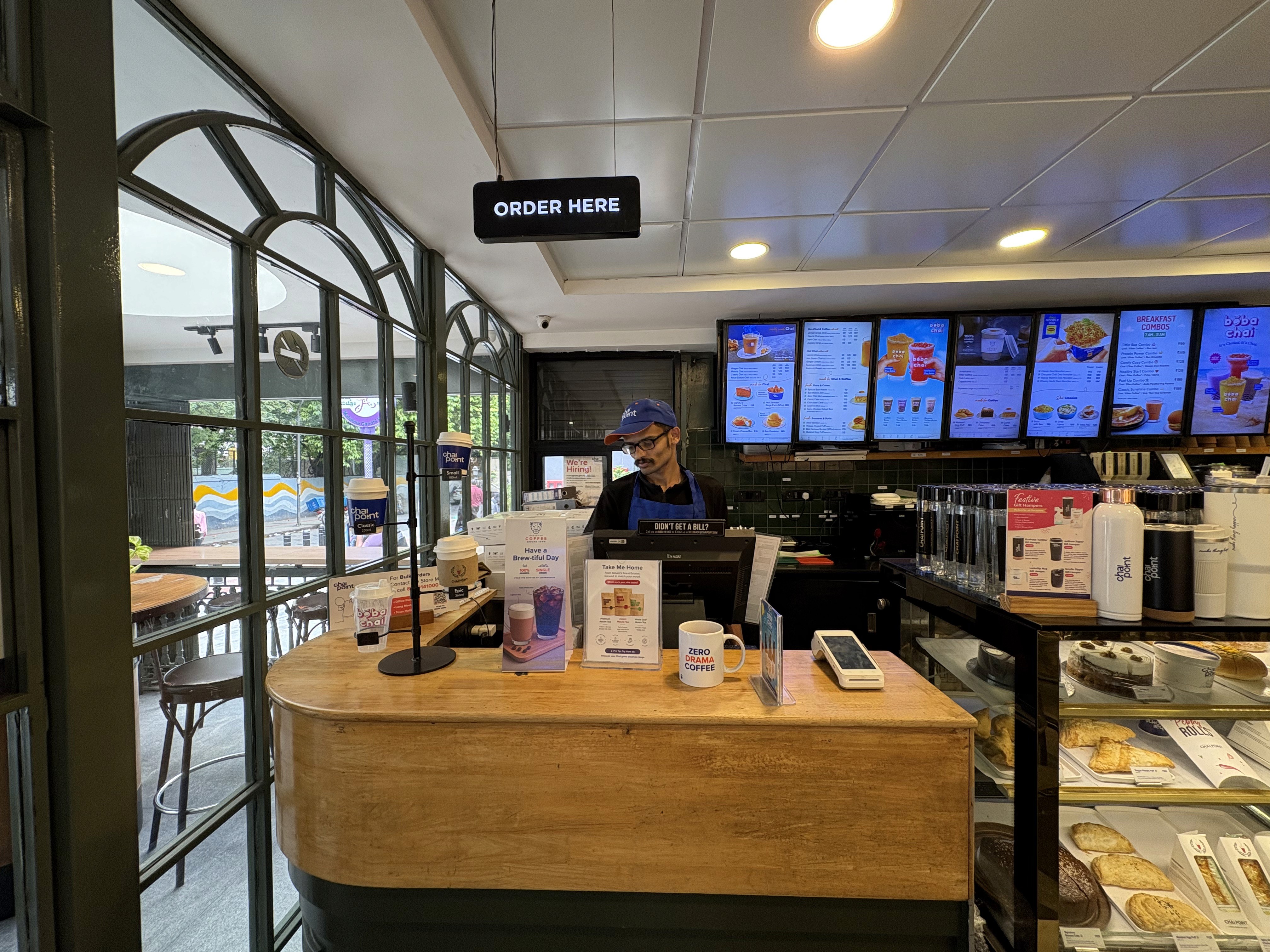
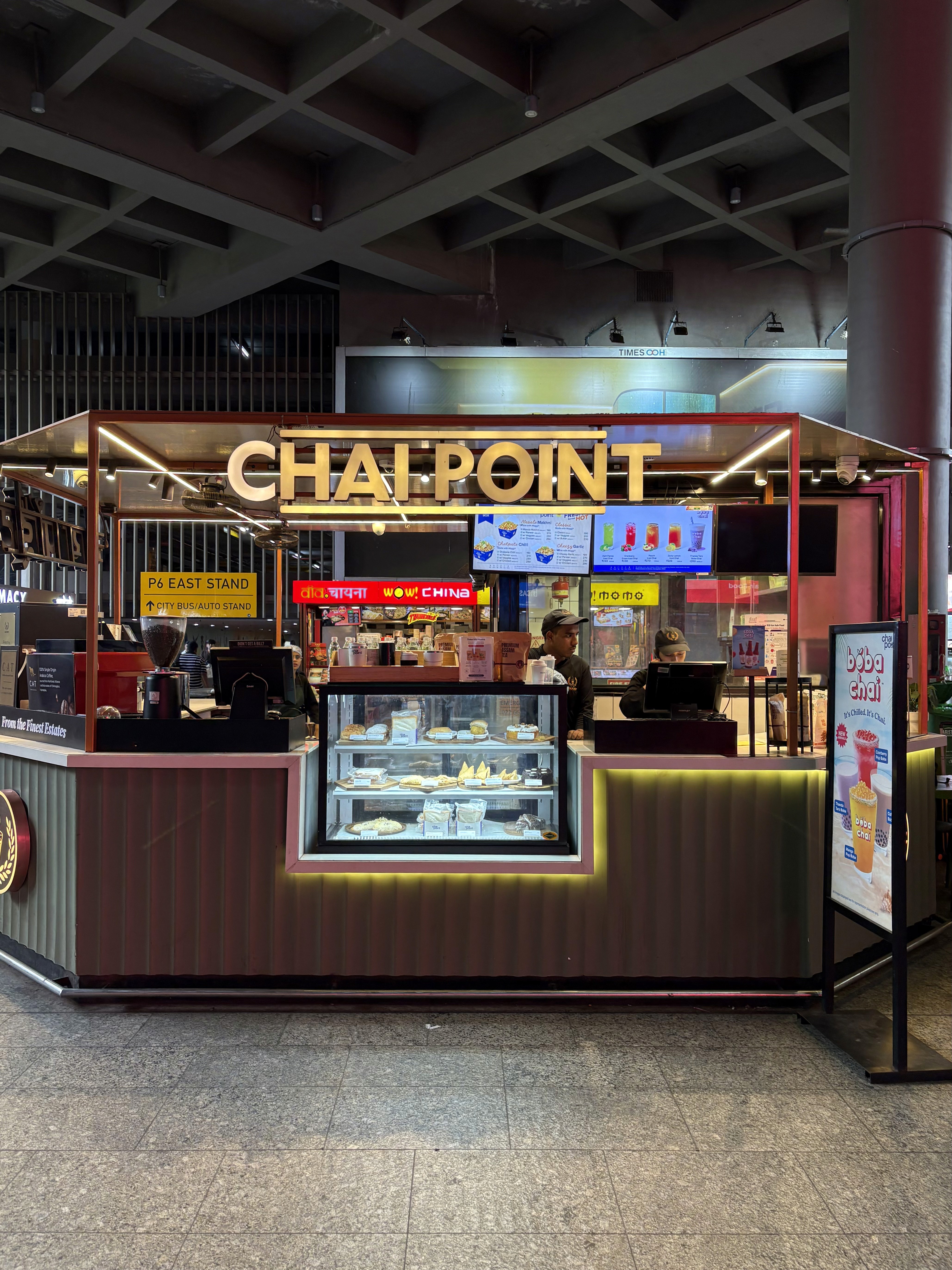
Chai Point
Chai Point is one of India’s largest and most well-known chai-focused beverage brands, operating over 180 stores across India including major cities like Mumbai, Chennai, Bengaluru, and Delhi. Chai Point has modernized and scaled India’s beloved tea culture while staying rooted in local traditions. The brand is known for its premium, consistent chai experiences across the country.
Mission Chai
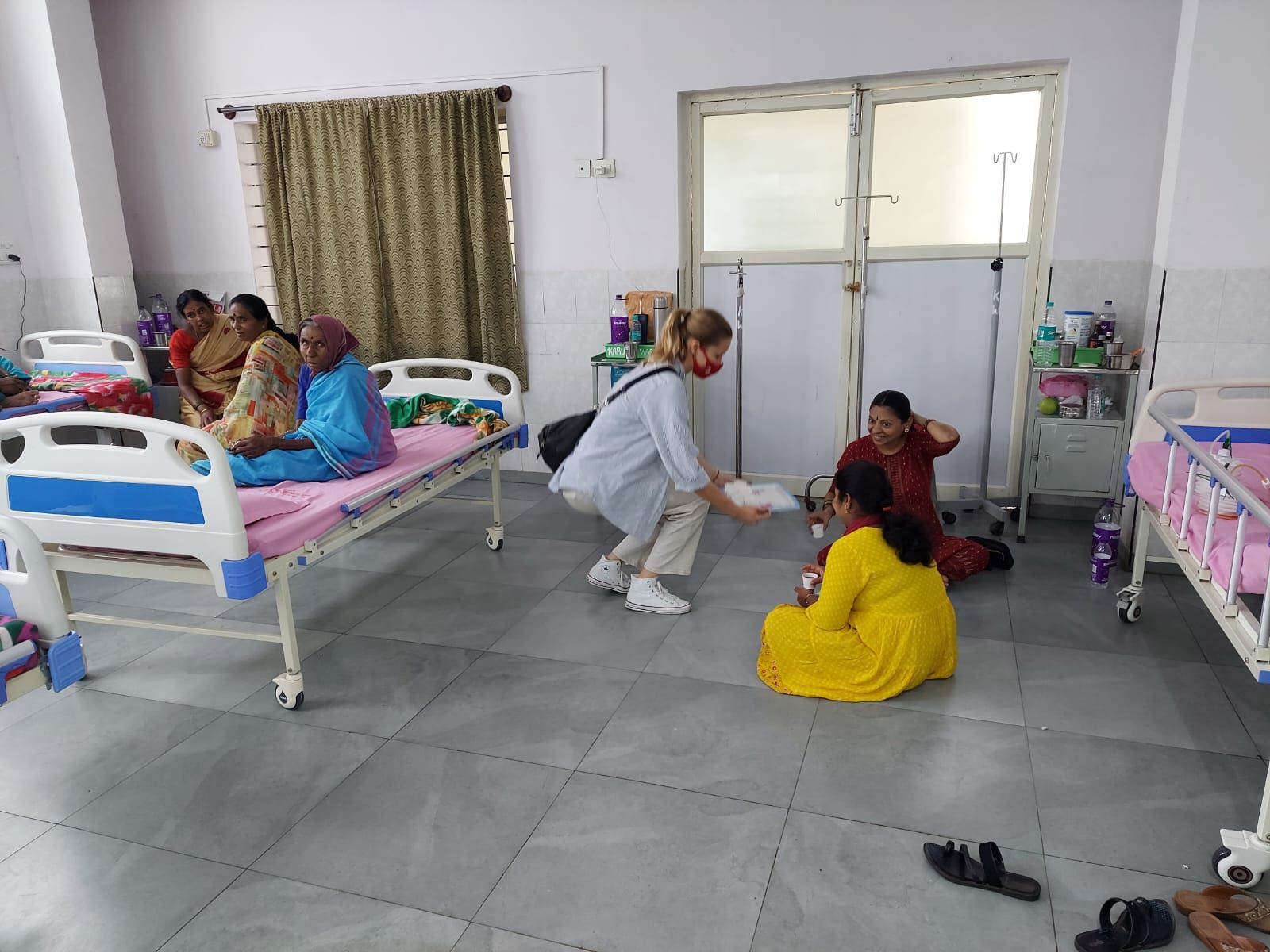
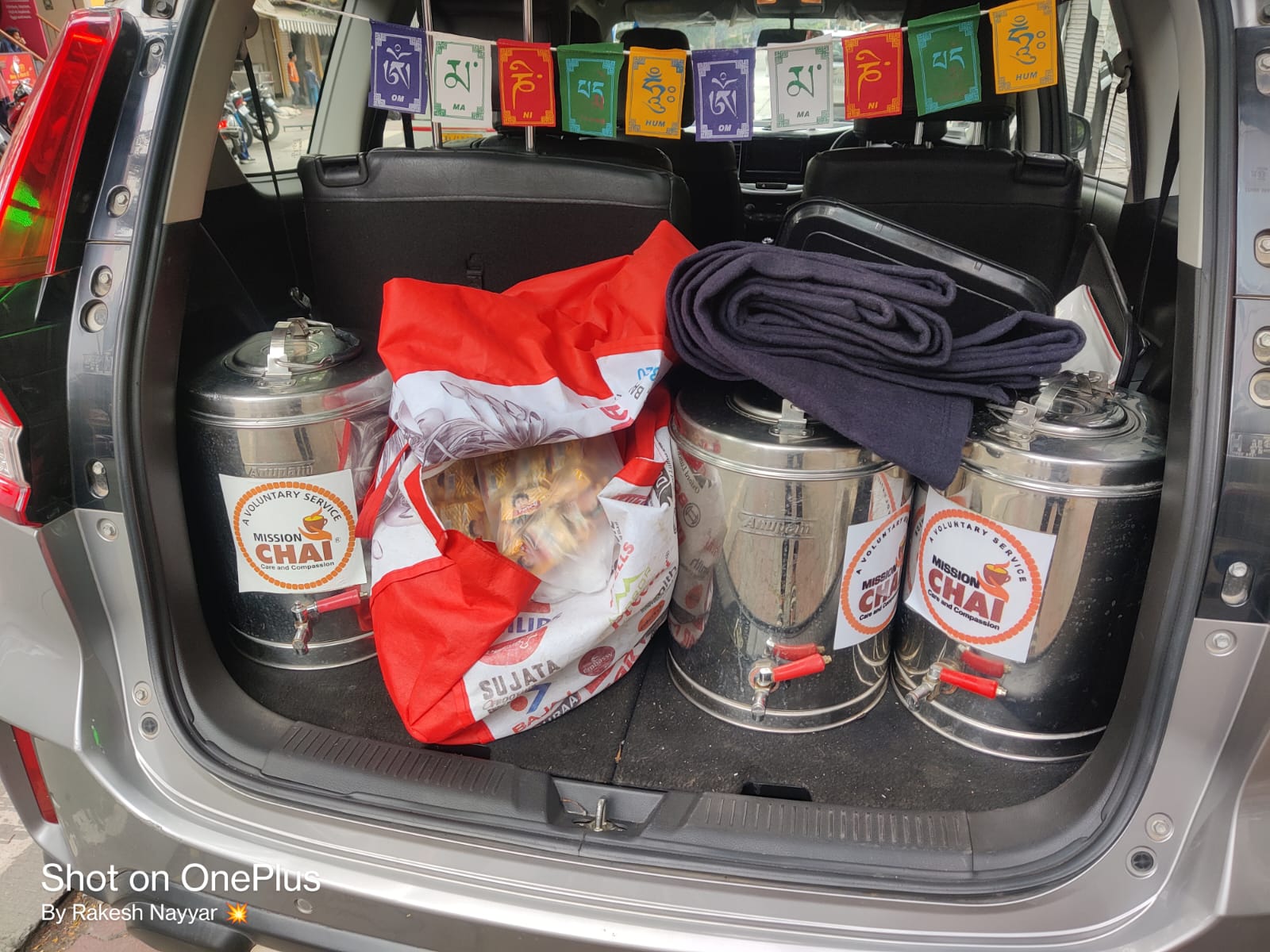
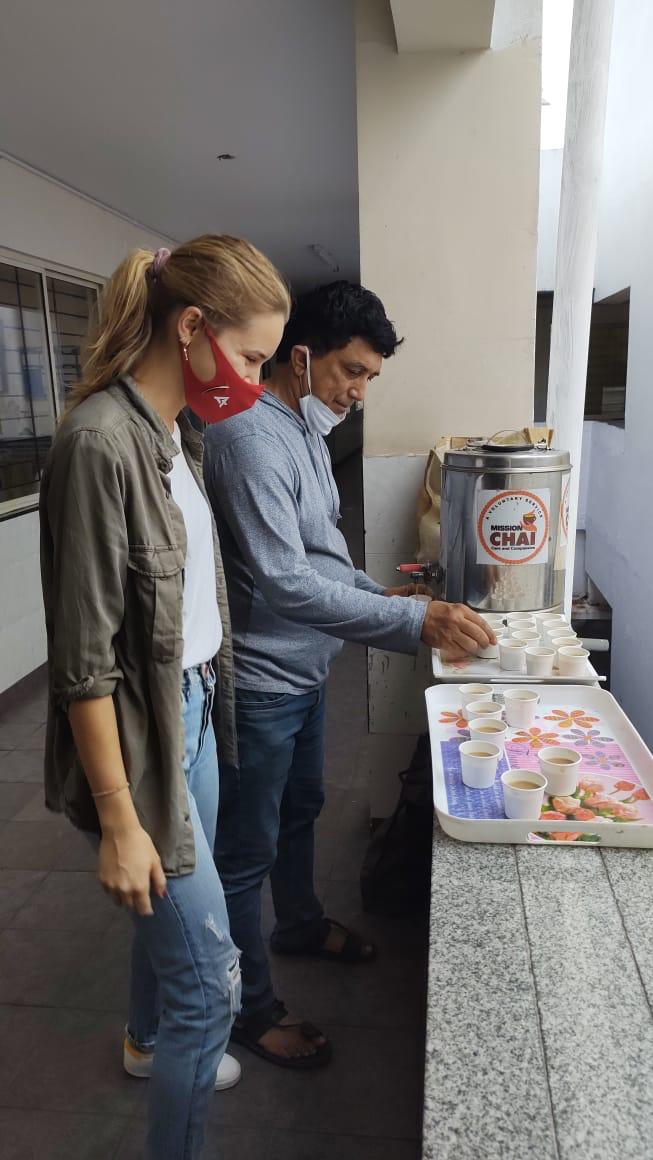
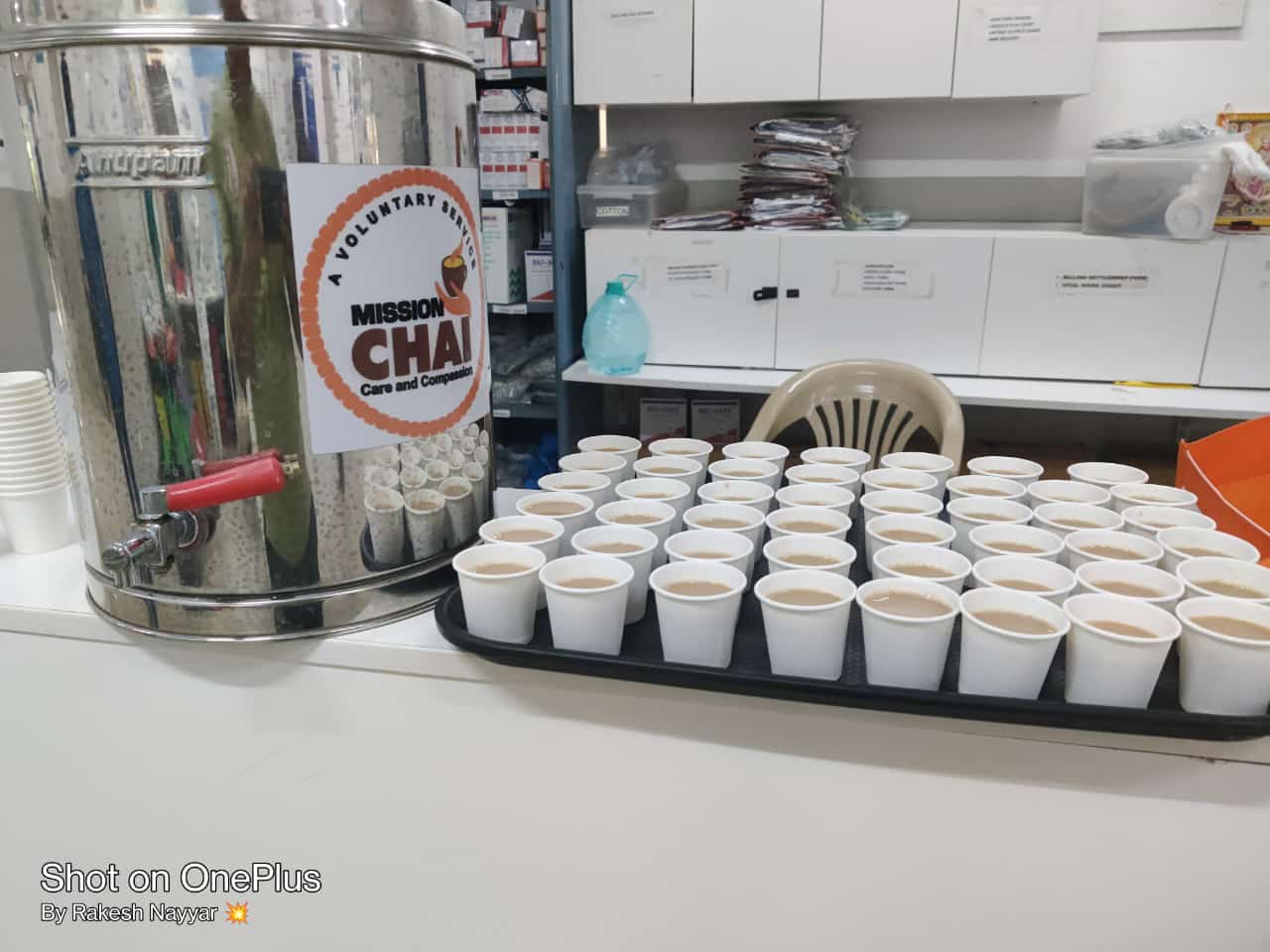
Mission Chai is a volunteer initiative started by Rakesh Nayyar in Bengaluru. For the past 10 years, Rakesh has been serving free chai, biscuits, and fruit every morning to cancer patients at the Kidwai Memorial Institute of Oncology - many of whom cannot afford even a basic cup of tea. The initiative now reaches over 600 patients daily and is entirely run through community support and volunteers.
Challenge
While Mission Chai has sustained a daily act of compassion for over a decade, its impact remains structurally fragile. The initiative relies entirely on informal donations and volunteer labor, with no predictable funding, no built-in scale, and no systemic support. At its core, the challenge is about the absence of sustainable mechanisms to support micro-acts of care in public health ecosystems, like Rakesh's.
Opportunity
The opportunity is to create a systemic system for Mission Chai where Chai Point introduces a ₹15 “Mission Chai” on their menu, or as an add-on at checkout, enabling customers to sponsor a chai for a cancer patient. It’s a low-cost, high-impact CSR layer that integrates seamlessly into existing operations. The initiative strengthens brand purpose, builds emotional loyalty, and positions Chai Point as a socially conscious market leader, all without operational complexity. At the same time, Mission Chai gains a continuous and sustainable financial model, reducing its reliance on unpredictable donations.
Research & Strategy
During the discovery and research phase, I drew on my experience volunteering with Mission Chai for the past three years, which gave me an understanding of the daily operations and the needs of the patients at Kidwai Memorial Institute of Oncology. I mapped the flow of chai distribution, spoke with the founder and fellow volunteers, and identified the challenges of sustaining the initiative long-term. In parallel, I reviewed Chai Point’s digital and in-store experience to explore where a donation feature could be integrated with minimal friction. I also looked at similar models for inspiration. This groundwork helped define a solution that is both empathetic and operationally feasible.
The design approach
The idea behind this project wasn’t just about adding another donation button or something, it was about designing a sustainable, human-centered system that works at scale.

Co-Design & Concept Validation
I pitched the idea to Chai Point’s CEO, Amuleek Singh Bijral, who quickly looped in Marketing Director Abhijit Panicker. Within two weeks, the “Mission Chai” partnership was approved. Chai Point agreed to place campaign tent cards with QR codes for direct donations at every Bangalore stores (62 locations), for a ₹15 minimum donation, at checkout. Once the partnership was confirmed, I shared initial design drafts for the display tent cards. Over the course of the next two week, we created simple showing how customers could add a ₹15 donation at checkout. We tested different versions of the display, QR codes placement, and overall tone, and gathered feedback from a small group of real users. This helped us refine the idea into a pilot-ready design that fit seamlessly with Chai Point’s brand and user experience.
Snacks for though & drafts
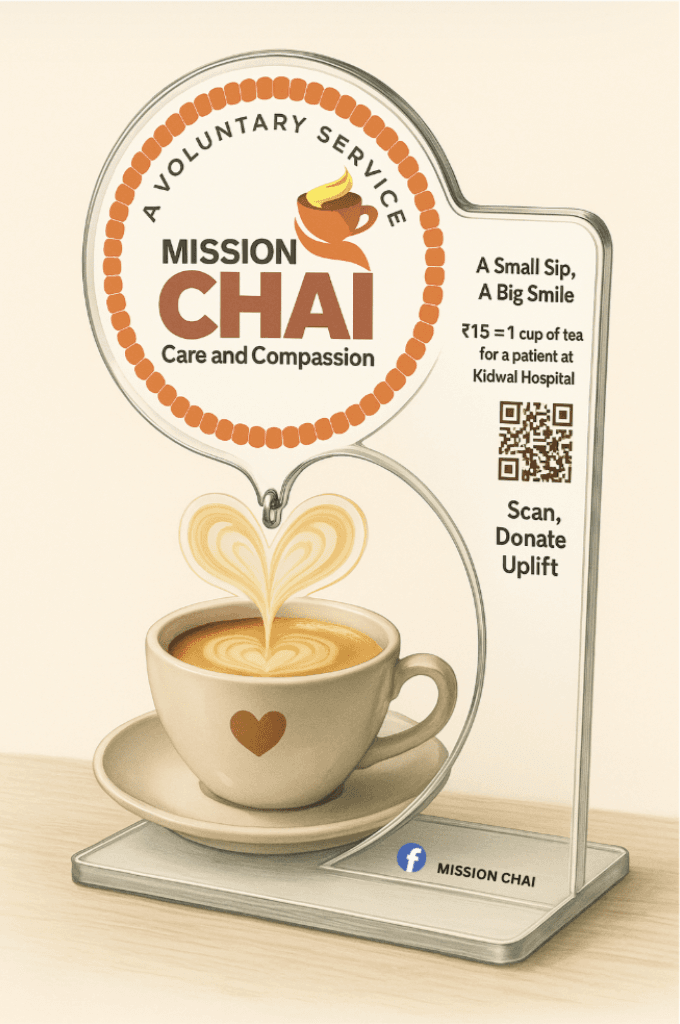
Concept 1:
A lifelike cutting chai glass display designed to feel tangible, almost sip-ready. Paired with clear acrylic and heart-shaped steam, it’s built to catch attention, invite touch, and evoke warmth. The QR code serves as the call-to-action, anchored by tactile design and emotional storytelling.
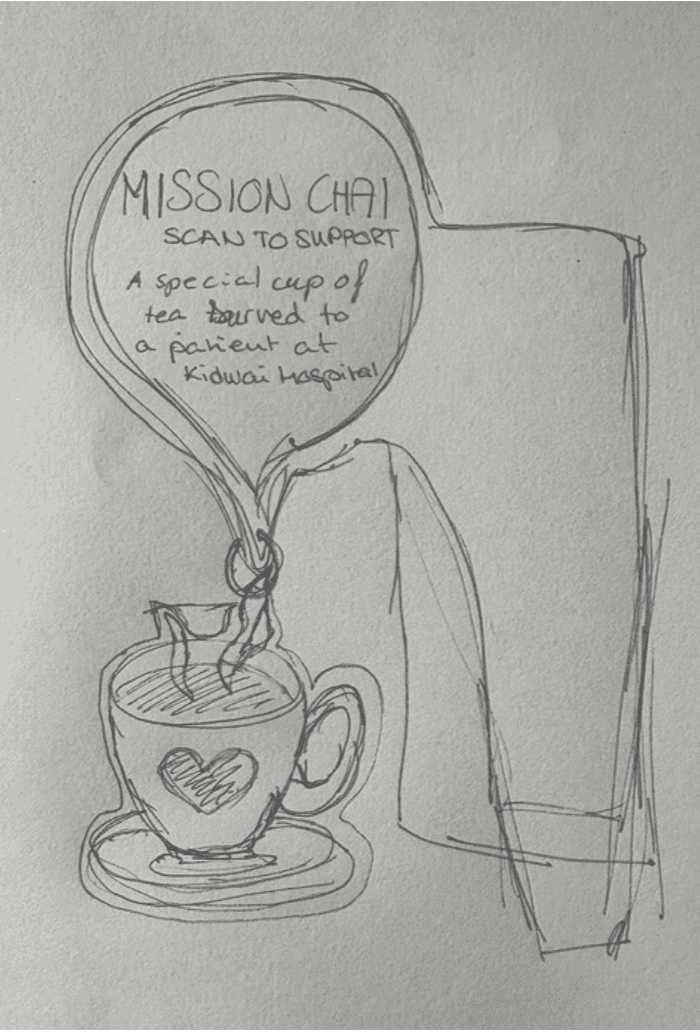


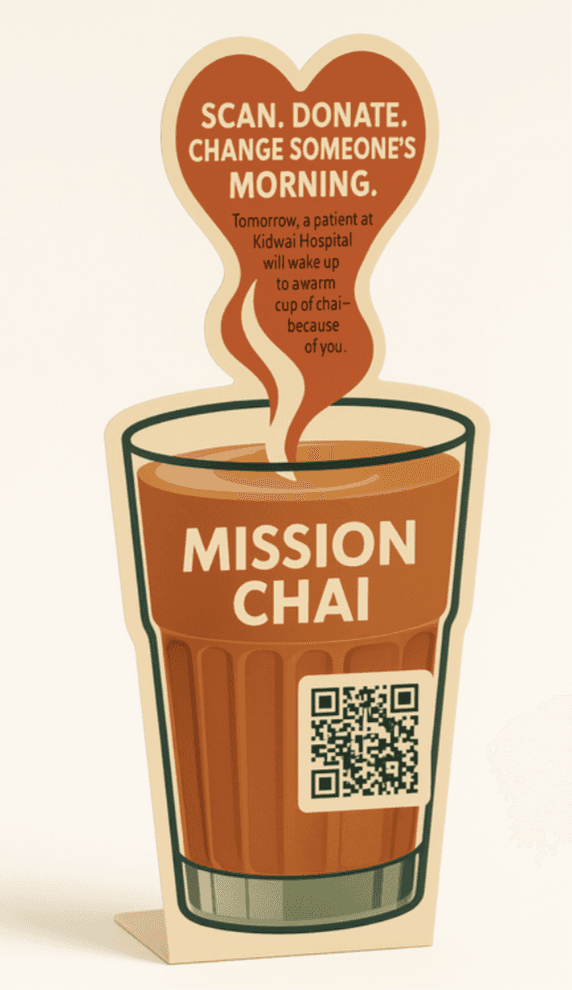
Concept 2:
A display shaped like a cutting chai glass, instantly recognisable and culturally rooted. A heart-shaped steam trail rises from it, symbolising warmth and human connection. This concept is cost-efficient and designed for quick visual impact.



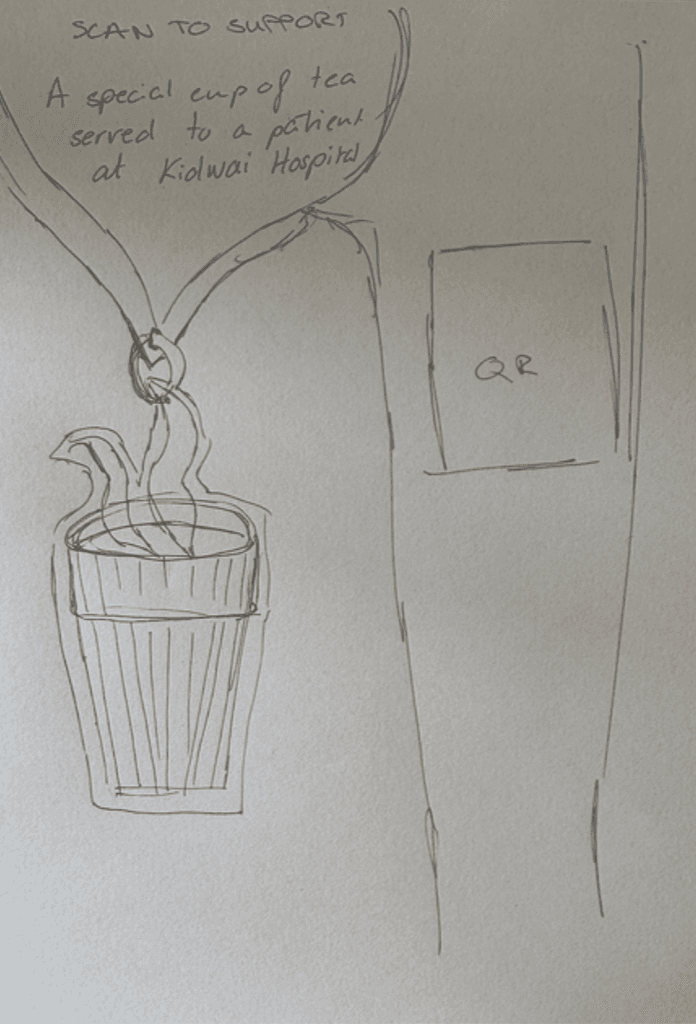
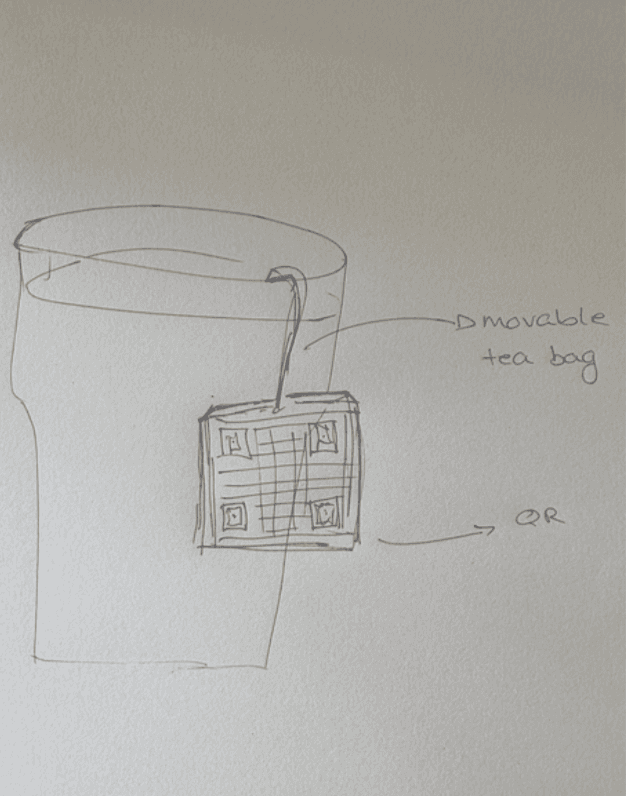
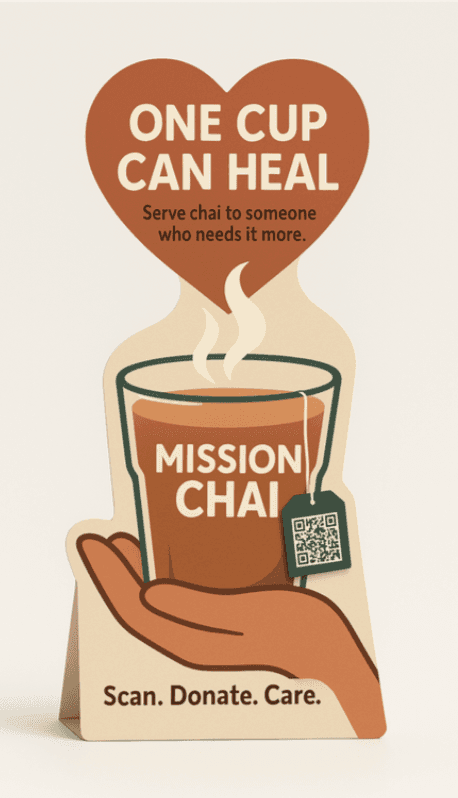
Concept 3:
A playful, interactive display where the QR code hangs from a movable tea bag tag, combining emotional symbolism with tactile curiosity. Designed to be intuitive, engaging, and memorable at first glance.
Prototyping From SF
Since relocating to San Francisco in September, I haven’t been able to prototype Mission Chai in India - so I’m doing it here. I joined Sequoia Fabrica, a community makerspace and technical prototyping platform for invention and creative R&D. It’s packed with tools: 3D printers, laser cutters, soldering labs, electronics/Arduino setups, even sewing machines. This is Disneyland for me. Once it’s ready, I’ll send it to Bangalore so they can replicate it at a lower cost.
So the work continues, designed for Bangalore, but prototyped with global horsepower.
Operations & Fulfillment set up
For operations and fulfillment, the goal is to keep the system simple, transparent, and scalable. The QR scan on the display links directly to Mission Chai’s official bank account, making transactions pretty straightforward. Mission Chai continues to handle chai delivery at the hospital, while Chai Point supports the initiative with monthly social media updates and PR storytelling to showcase impact. I have also proposed a lightweight reporting structure to track contributions and ensure transparency without creating extra overhead to either side. The system is designed to scale with clarity and trust baked in.
Challenges
I'm grateful for the visibility Mission Chai gets through Chai Point. But the reality is, the team assigned to work on this with me see it extra work, as a side task, something outside their scope. It's understandable that the project matters to me, not necessarily to them, and that can make the collaboration difficult at some level. The intent isn’t shared, so the execution falls entirely on me. That’s the tradeoff I’m working with.
What I learned so far
So far, this project taught me that meaningful systems change doesn’t always come from building something new, it often comes from intelligently linking what already exists. By bridging a grassroots initiative with a national retail brand, I learned how to design for alignment across radically different stakeholders without compromising values or adding operational complexity. It reinforced that the most resilient solutions are often the simplest, those that fit naturally into existing behaviours, infrastructures, and incentives. Most importantly, it reminded me that good design isn’t about visibility; it’s about quietly creating conditions where generosity, trust, and impact can scale.